
The Allure of Casino Games
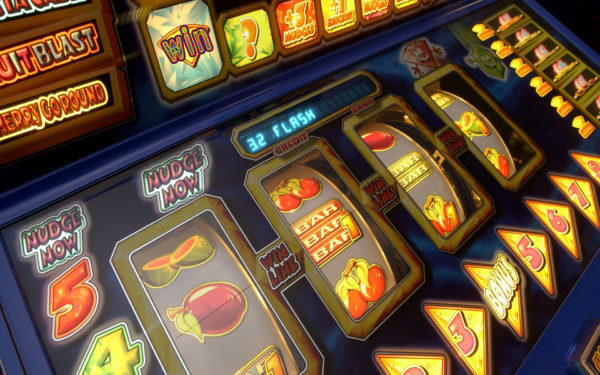
The psychology behind casino games is intricately linked to their design and the emotions they evoke in players. Casinos are expertly crafted environments that stimulate excitement, hope, and anticipation. The bright lights, engaging sounds, and the thrill of the game create a perfect storm for attracting players. This sensory overload not only draws individuals in but also enhances their experience, making it difficult to walk away. One way to engage in modern gambling experiences is by exploring bitcoin gambling sites, where players can benefit from the innovative features and generous bonuses offered by these platforms.

The lure of potential rewards is a significant driver of player behavior. Many players fall into the ‘near-miss’ effect, where they feel they were close to winning, which encourages them to keep playing. This psychological phenomenon fosters a sense of hope, keeping players engaged longer than intended. Understanding these motivations is crucial for both players and casino operators, as it emphasizes the emotional triggers that dictate gameplay and spending habits.
The Role of Gambling Myths and Misconceptions
Gambling is rife with myths and misconceptions that greatly influence player behavior. Many individuals believe in luck or superstitions that dictate how they approach games. For instance, the notion that certain rituals or behaviors can sway the outcome of games leads players to develop habits that enhance their emotional attachment to the game. This psychological bias can detract from a rational approach to gambling, leading to increased spending and risk-taking.
Furthermore, misconceptions about the odds can significantly affect decision-making. Many players underestimate the house edge, believing their odds are better than they are. This false sense of confidence can lead to excessive play and financial losses. By debunking these myths and educating players about the realities of gambling, it is possible to foster a healthier approach to gameplay that focuses on entertainment rather than solely on winning.
Player Behavior and Decision Making
Player behavior in casinos is often influenced by cognitive biases that skew decision-making. The availability heuristic, for instance, leads players to assess risk based on memorable wins rather than actual probabilities. This bias can encourage continued play, as players focus on their wins and dismiss their losses. Understanding these cognitive biases is critical for recognizing how emotions can cloud judgment and lead to decisions that are not in the player’s best interest.
Additionally, the concept of loss aversion plays a considerable role in player decision-making. People generally prefer to avoid losses rather than acquire equivalent gains, which can lead to chasing losses in a bid to recover financially. This behavior can spiral into problematic gambling patterns, emphasizing the need for self-awareness among players and responsible gambling practices.
The Social Aspects of Gambling
The social environment in casinos significantly impacts player behavior. Many players indulge in gaming not just for the thrill of winning but also for the camaraderie and shared experiences with others. This social interaction can heighten emotions, creating a sense of belonging that reinforces the gambling experience. Group dynamics and peer influences can lead to increased betting sizes and longer play sessions as individuals seek to match or impress their peers.
Moreover, technology has further transformed the social aspects of gambling. Online casinos and live dealer games allow for social interaction without physical presence, yet they still maintain that communal feel. This shift has impacted how players engage with games and with each other, fostering new forms of social gambling behavior while still tapping into the psychological benefits of social engagement.
Conclusion: Understanding Player Behavior for Better Choices
In summary, understanding the psychology behind casino games and player behavior is vital for promoting responsible gambling. Players can benefit from recognizing the emotional and cognitive factors that influence their decisions. As such, awareness can empower individuals to make more informed choices about their gambling activities, ultimately leading to a more enjoyable experience without the adverse effects of addiction.
Through education and understanding, players can learn to appreciate the entertainment aspect of gambling while maintaining control over their finances and emotional well-being. For those interested in exploring the nuances of casino games, various resources are available that focus on responsible gaming practices and strategies for keeping gambling enjoyable and safe.